Réhabilitation du bâtiment Ledoux en Maison des Associations
Renovation of the Ledoux building into an association center
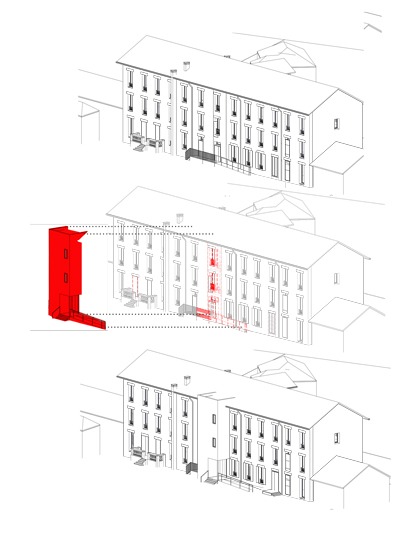
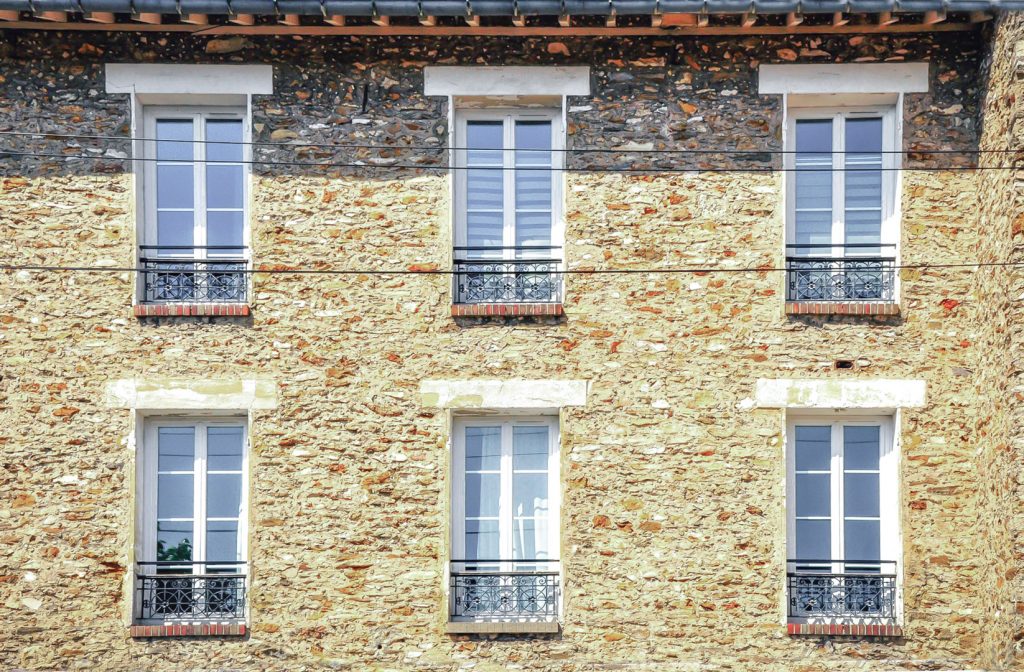
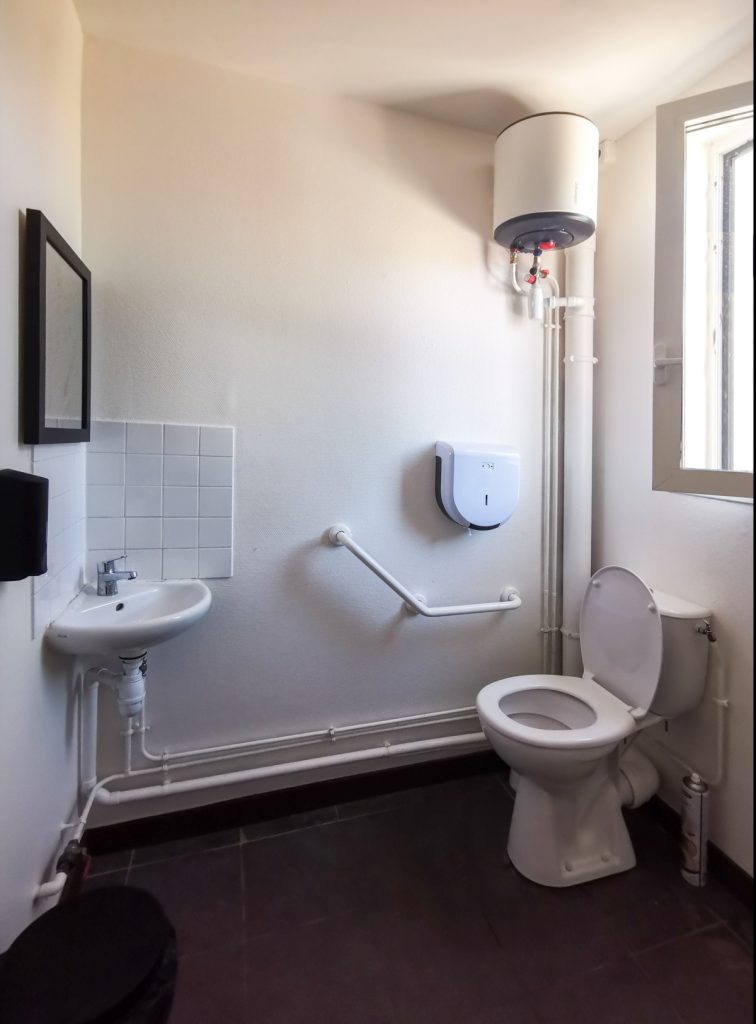
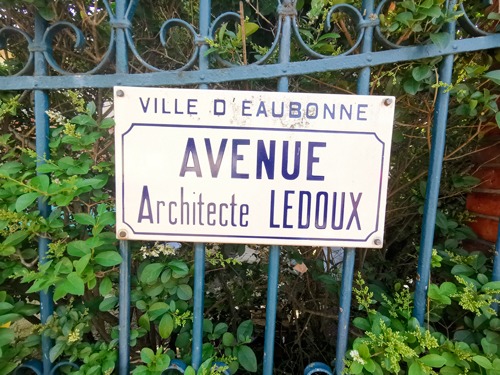
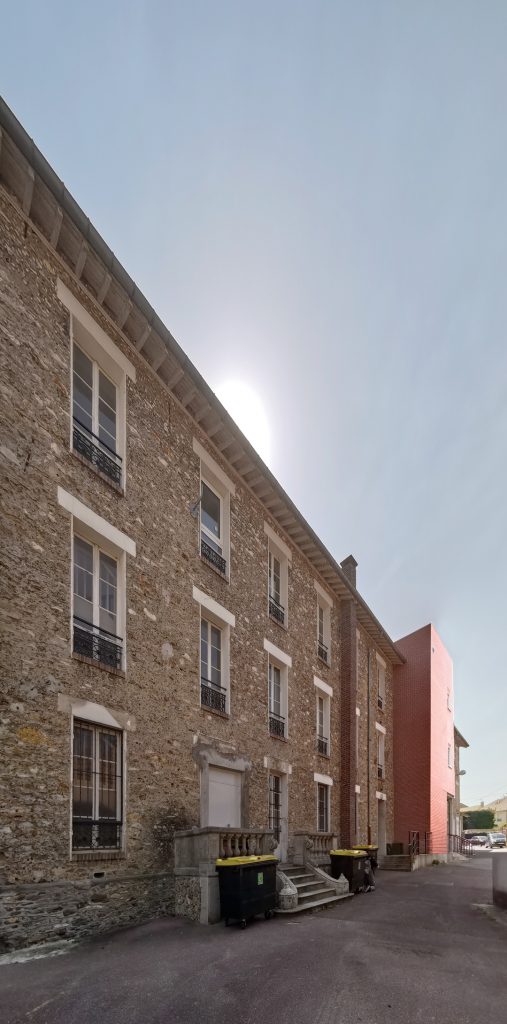
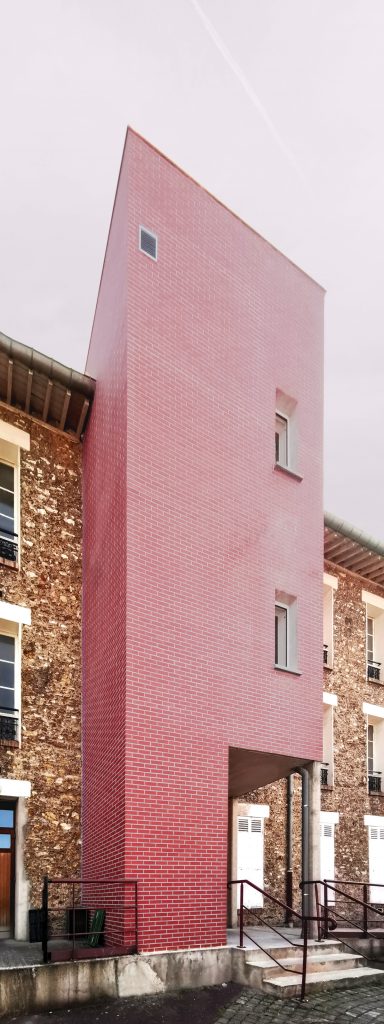
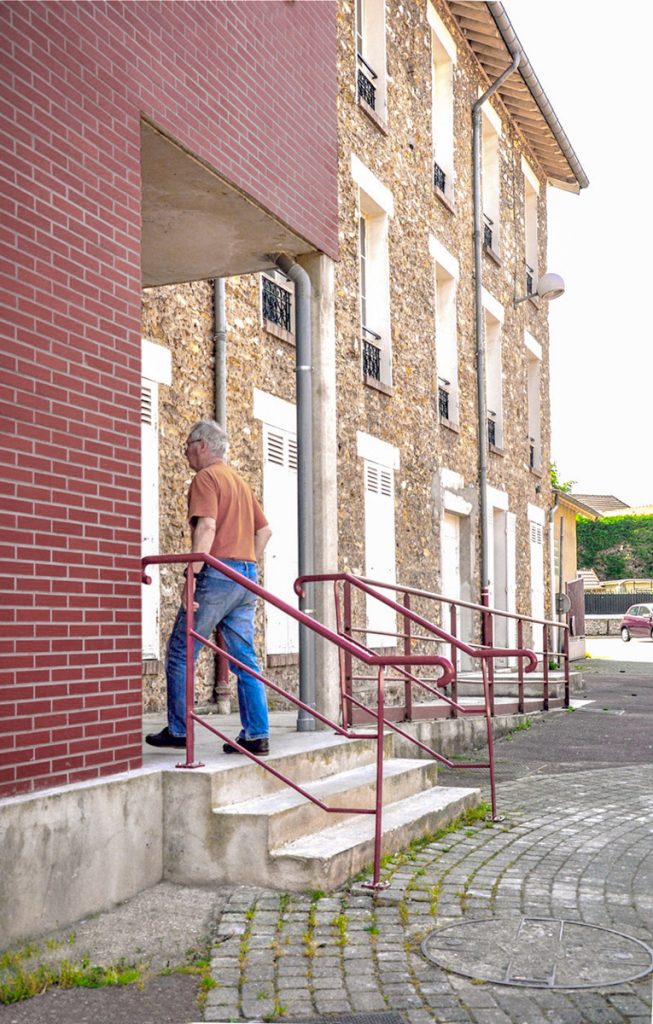
Le bâtiment du XIX° siècle qui abritait à l’origine les pensionnaires de l’internat, puis qui a été successivement transformé en bâtiment d’habitation puis en caserne des pompiers d’Eaubonne acceuille désormais différentes associations de la Ville d’Eaubonne. Le projet conjugue la préservation d’un patrimoine de style néoclassique avec la mise aux normes d’accessibilité et de sécurité. Dans le respect du bâtiment, de son histoire et du geste de l’illustre architectel’illustre architecte, Claude Nicolas Ledoux qui l’a -semble-t-il- conçu, l’édifice s’adapte aux usages prévus par la Ville et au potentiel spatialdu lieu. Le parti pris architectural repose sur l’ajout d’un édicule d’ascenseur en façade sur cour, en écho à l’édicule existant sur la façade arrière sur rue. L’expression contemporaine se manifeste par une épure du dessin, marquée par une rupture assumée dans le rythme de la façade, dans le traitement des détails, ainsi que dans la couverture en tuile et le matériau de pierre meulière. Le perron d’accès par cette façade secondaire est sculpté dans l’édicule par une soustraction de la matière, comme un geste discret qui en précise l’entrée.
The 19th-century building, which originally housed boarding school residents and was later successively converted into a residential building and then the Eaubonne fire station, now hosts several of the City of Eaubonne’s associations. The project combines the preservation of neoclassical heritage with updates to meet accessibility and safety standards. Respecting the building, its history, and the gesture of the renowned architect Claude Nicolas Ledoux, who is believed to have designed it, the structure has been adapted to the uses planned by the City and to the spatial potential of the site.The architectural concept is based on the addition of a lift tower on the courtyard façade, echoing the existing tower on the rear street-facing façade. The contemporary expression is conveyed through a refined design, marked by an intentional break in the façade rhythm, in the treatment of details, as well as in the tiled roof and the use of rubble stone.The access stoop on this secondary façade is carved into the tower through the subtraction of material, in a discreet gesture that defines the entrance.
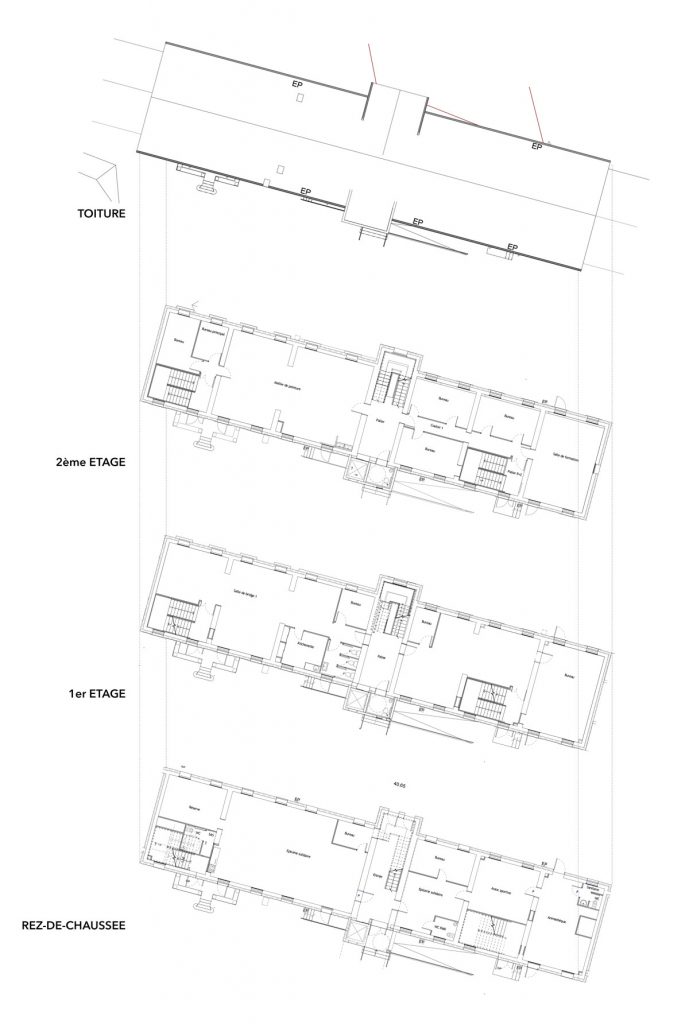
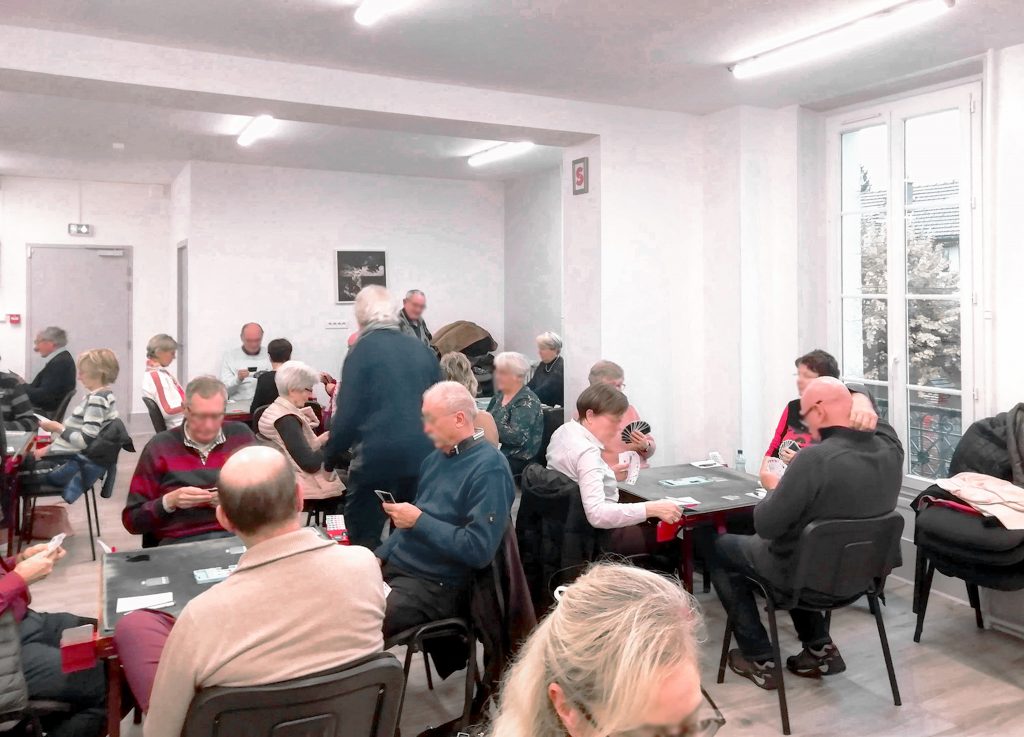
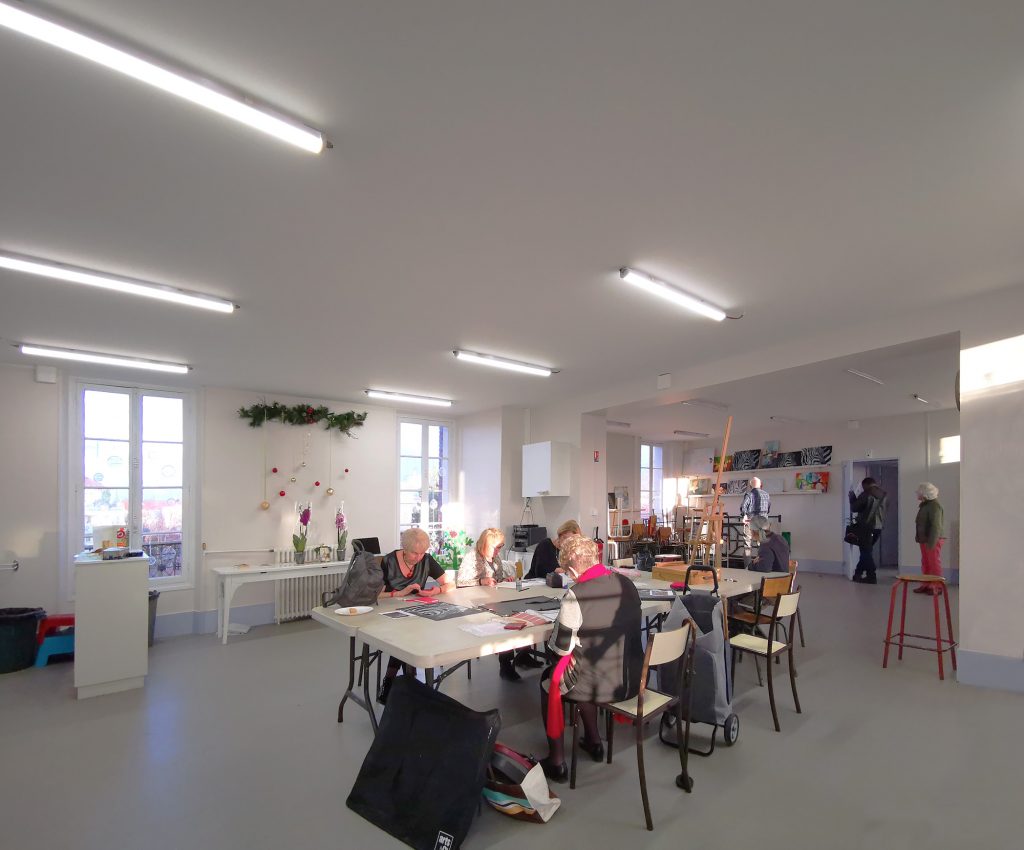
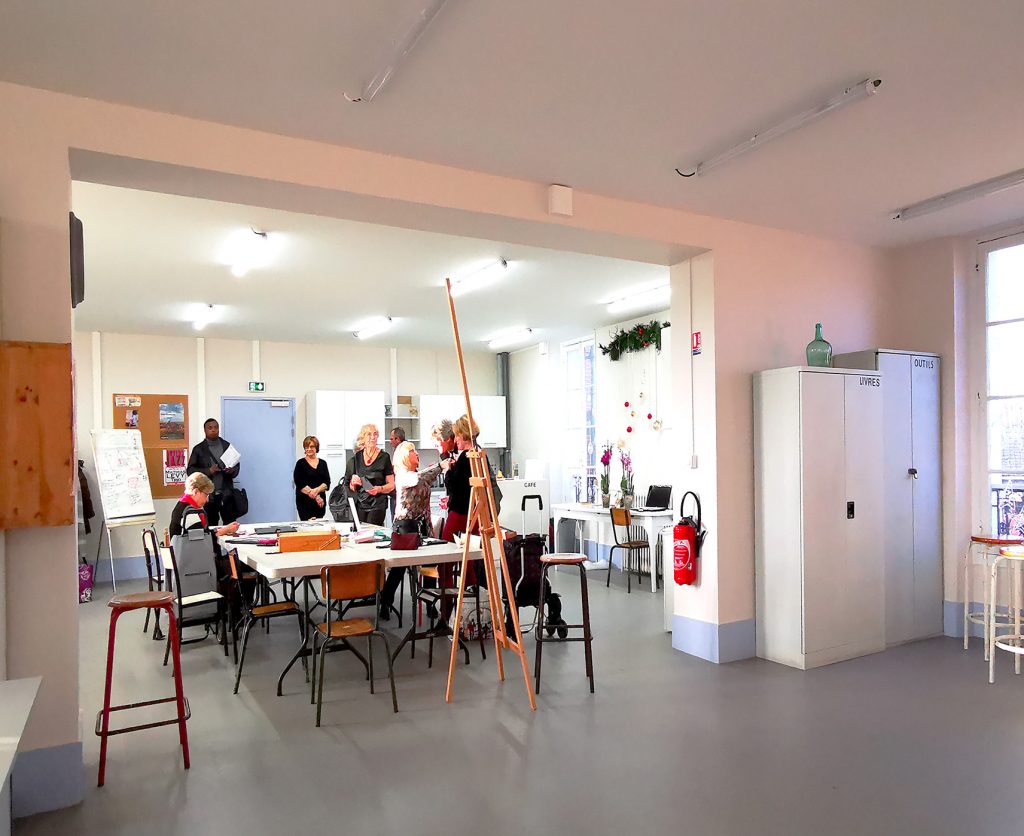
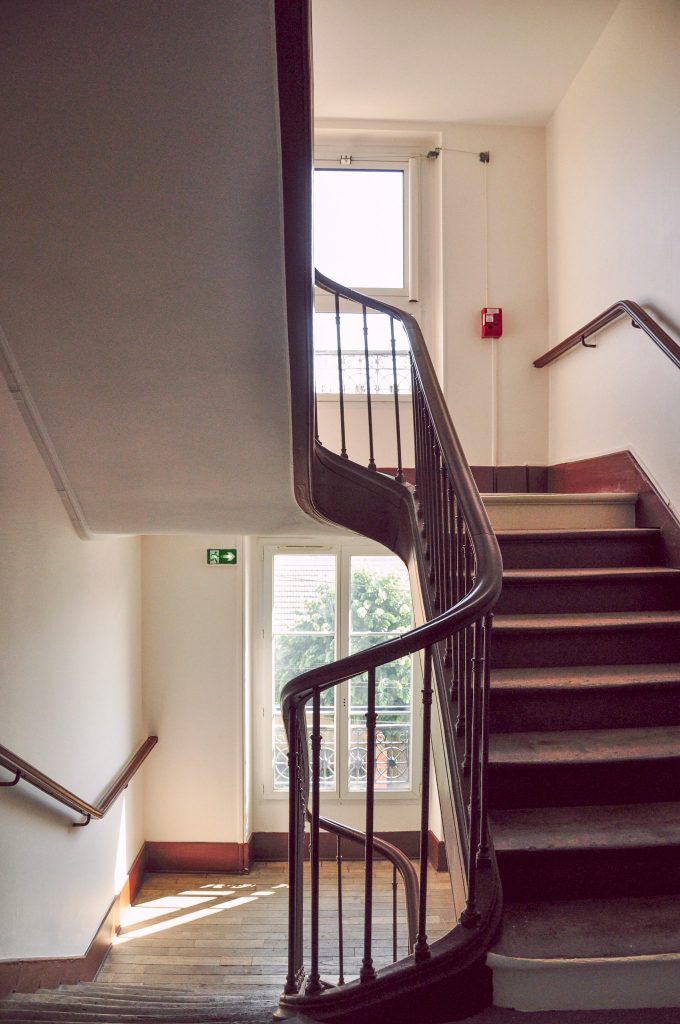
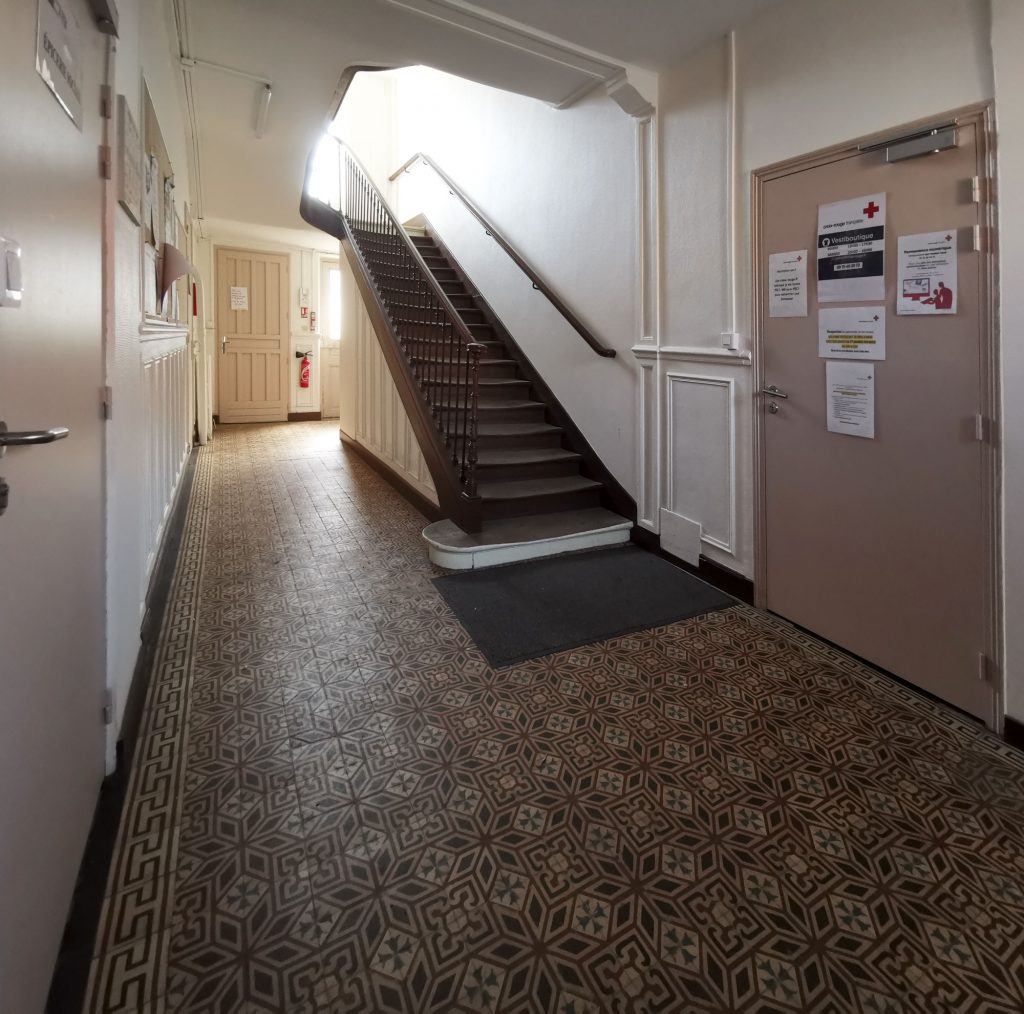
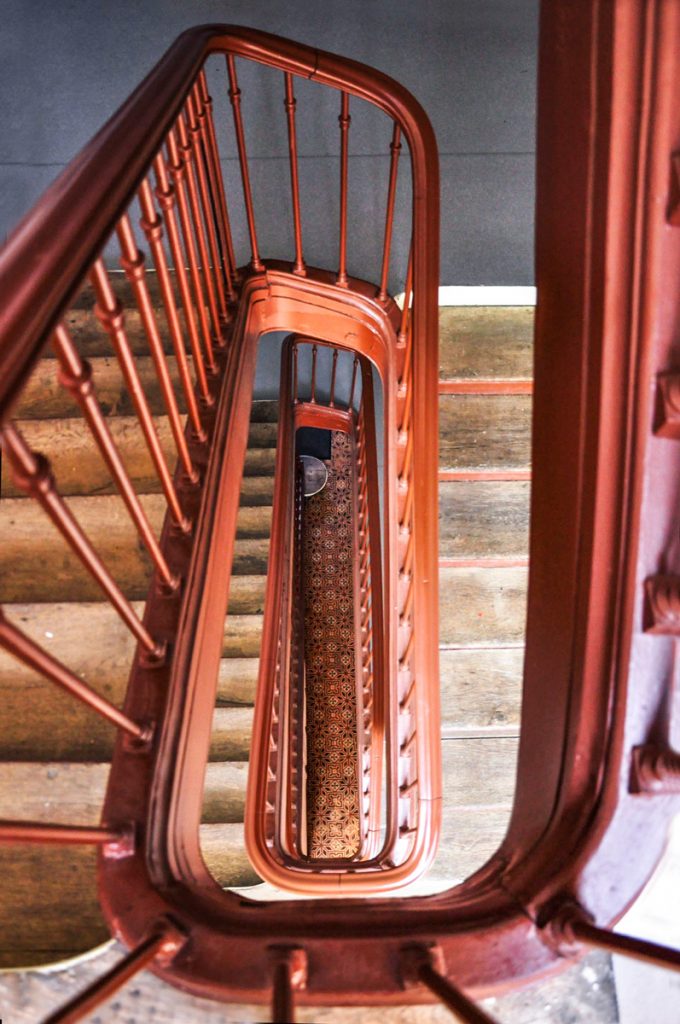
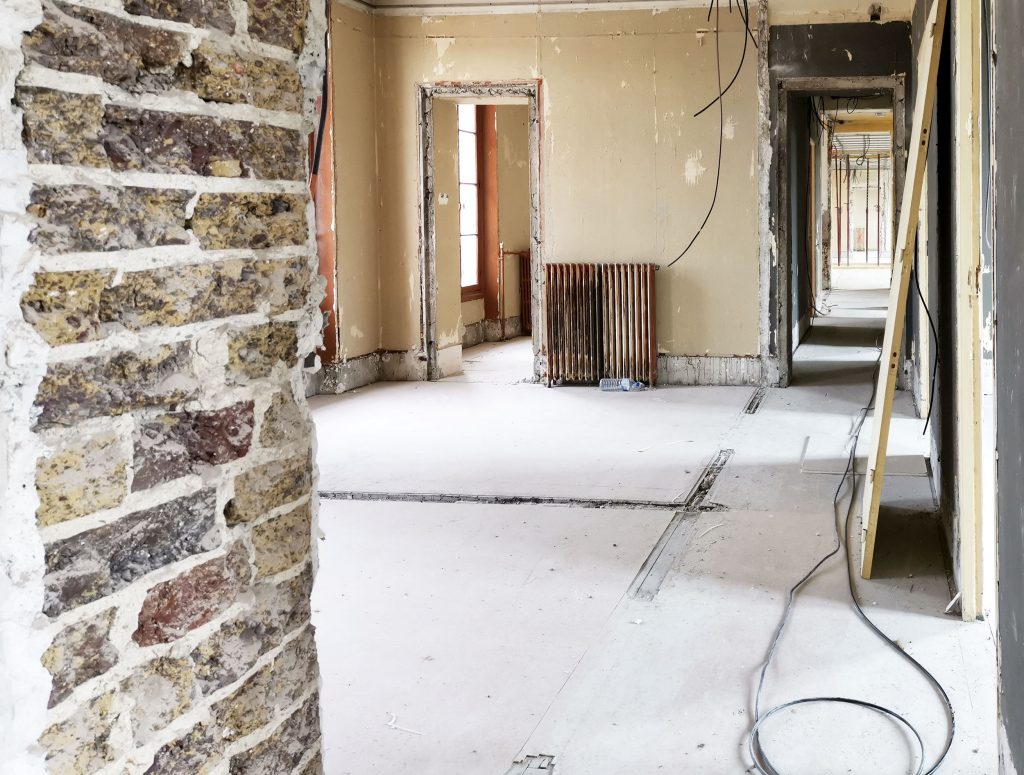
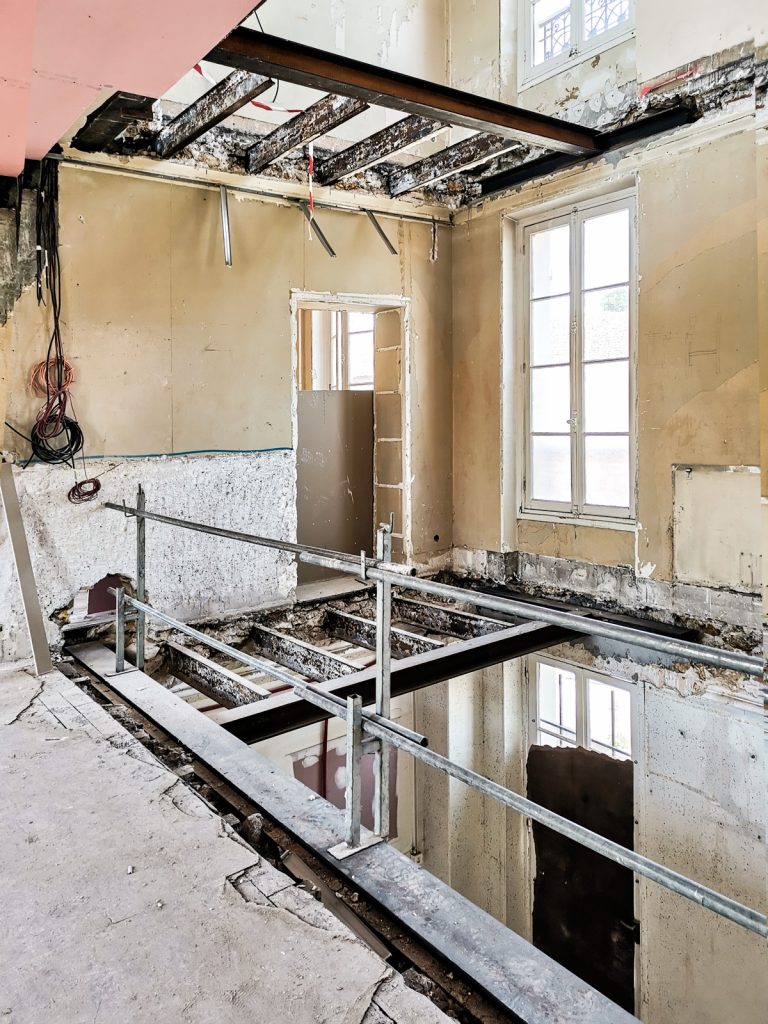
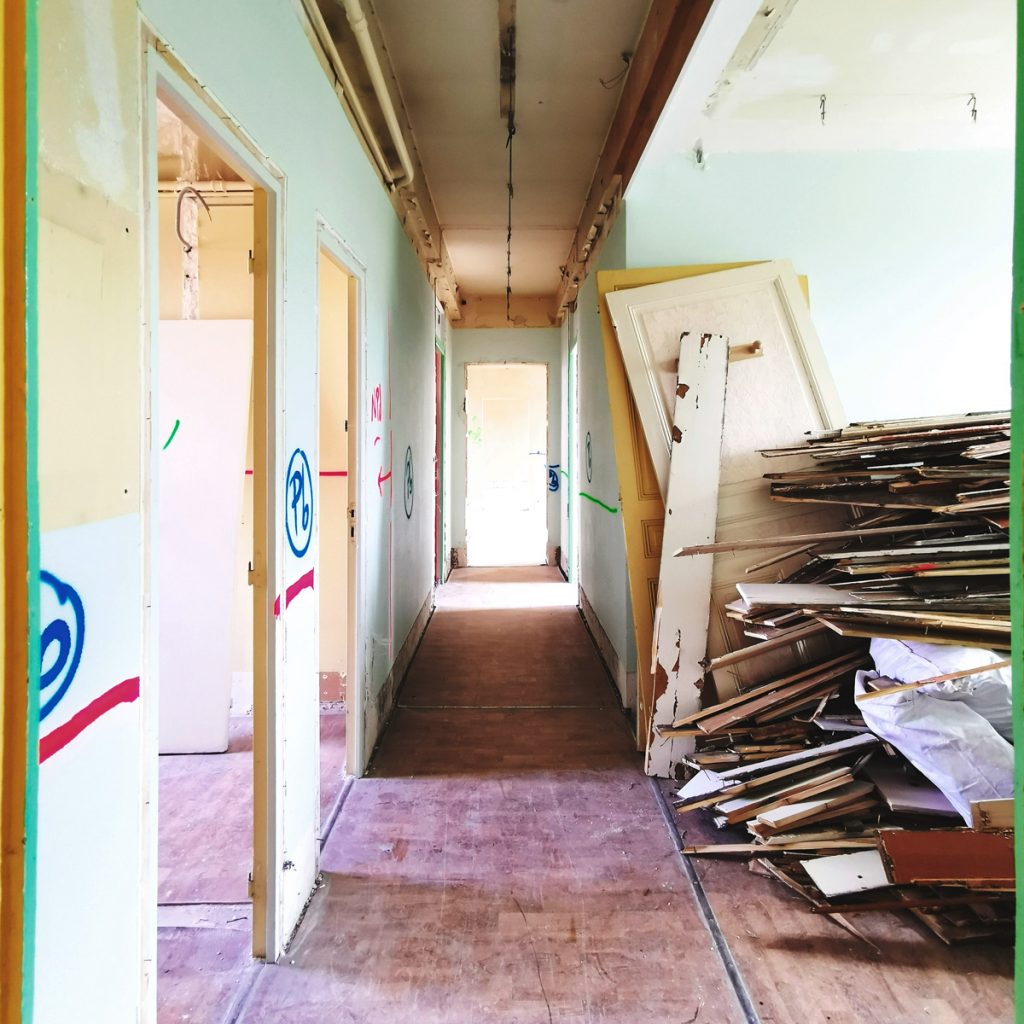
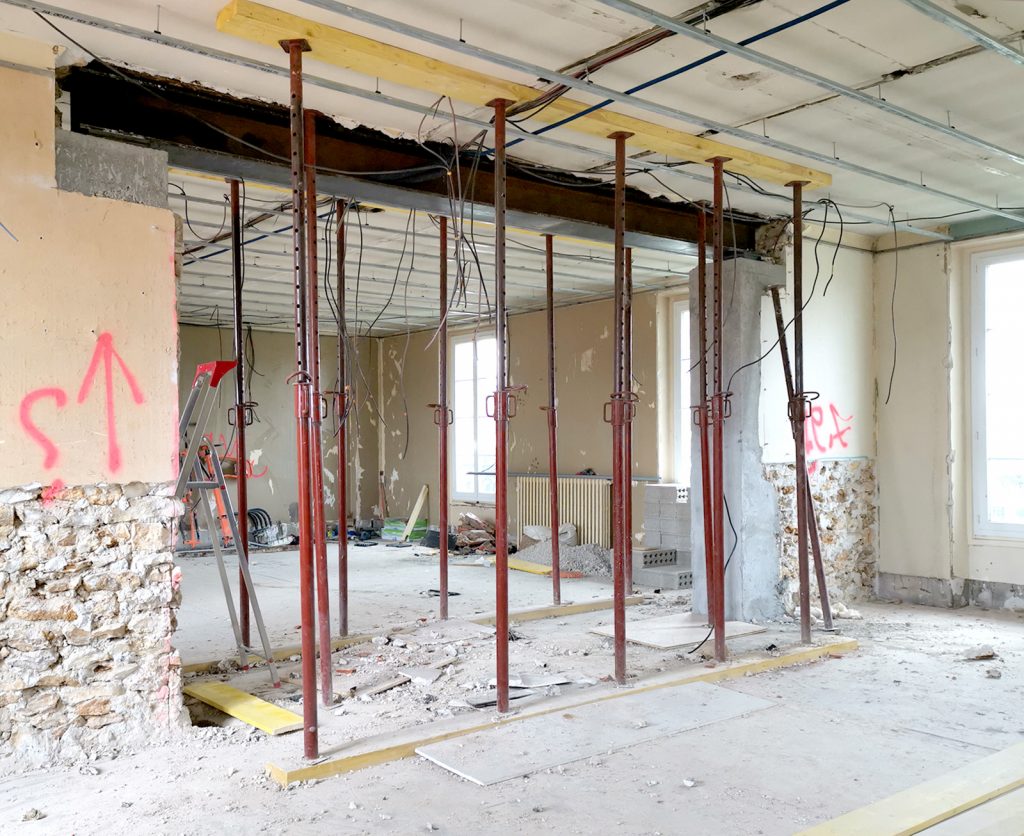
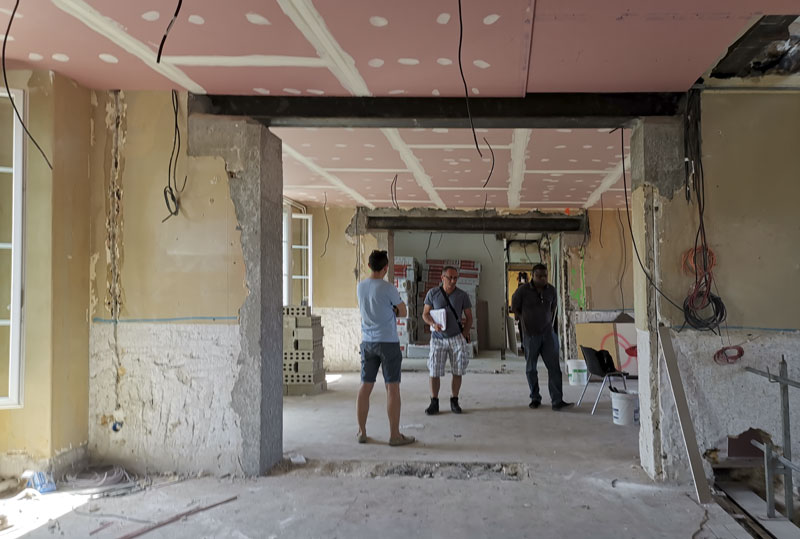
L’architecture intérieure a été pensée en anticipant la transformation future du bâtiment en école, en rendant les espaces facilement réversibles. L’implantation des trémies d’escalier aux extrémités des ailes et la cage d’ascenseur en face de l’escalier central organisent une circulation claire, tandis que l’indépendance structurelle des façades permet de reconfigurer librement le programme intérieur. Les interventions ont optimisé la lumière naturelle, les circulations et la flexibilité des plateaux, aujourd’hui occupés par une épicerie sociale et solidaire, la Croix-Rouge, un atelier de beaux-arts, un club de bridge, des locaux d’enseignement pour les sapeurs-pompiers et des bureaux. Le chantier a débuté par une phase de démolition et de désamiantage, avec ouverture de murs porteurs en brique à l’aide de poutres métalliques de grande portée, isolation thermique par l’intérieur et remplacement à l’identique des menuiseries bois en double vitrage, afin de préserver la façade en pierre meulière tout en améliorant les performances énergétiques
The interior architecture was conceived with the building’s future conversion into a school in mind, making the spaces easily reversible. The placement of stair openings at the ends of each wing and the lift shaft opposite the central staircase creates clear circulation, while the structural independence of the façades allows the interior layout to be freely reconfigured. The interventions optimise natural light, circulation, and the flexibility of the floor plates, which now accommodate a social grocery, the Red Cross, a fine arts workshop, a bridge club, teaching facilities for the fire brigade, and offices. The works began with a demolition and asbestos removal phase, including the opening of load-bearing brick walls using long-span steel beams, internal thermal insulation, and the like-for-like replacement of timber windows with double glazing, in order to preserve the stone façade while improving the building’s energy performance.